

From building sustainable music careers to strengthening royalty systems and unlocking the value of intellectual property, Chocolate City’s leadership explores the commercial foundations of Africa’s creative future.
The international success of African music has transformed the continent’s cultural visibility, opening new markets and creating opportunities across entertainment, technology and investment. As that influence continues to grow, attention is increasingly turning to the commercial structures needed to sustain it. Beyond streaming milestones and international recognition lies a more consequential question of how African creators and businesses can build, retain and expand the economic value of their work.
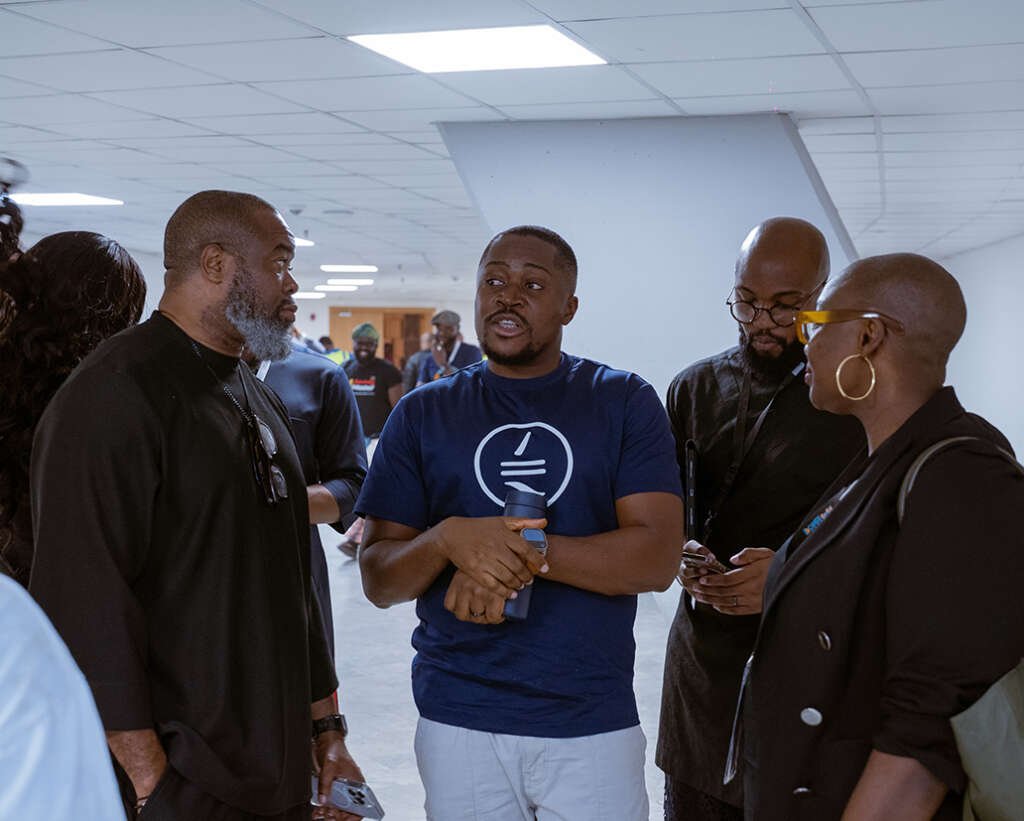
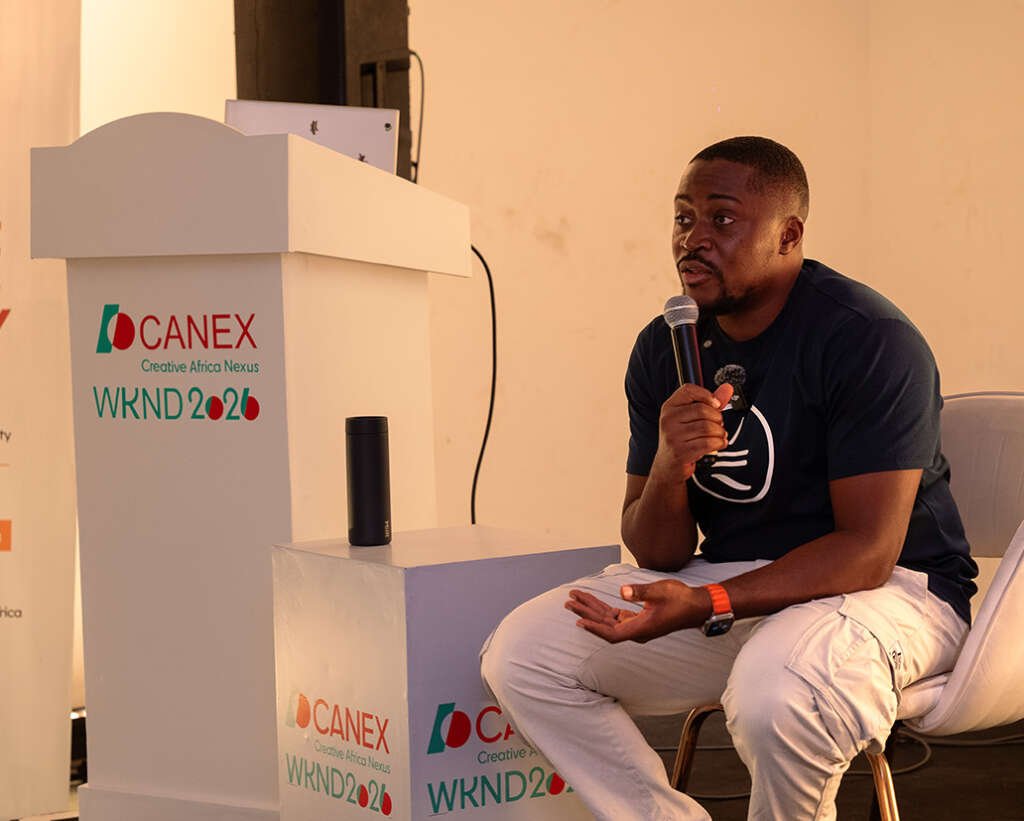
That perspective was brought to CANEX WKND 2026, held from November 5 to 8 at the Wole Soyinka Centre for Cultural & Creative Arts in Lagos, through the contributions of three senior leaders whose expertise spans complementary areas of the creative value chain. Group Chief Executive Officer Abuchi Peter Ugwu examined the business foundations required to turn musical talent into sustainable careers. Ibukun “Aibee” Abidoye, Executive Vice President of Chocolate City Music, addressed the gaps in rights administration and royalty collection that affect the industry’s financial returns, while Ifeyinwa Anyadiegwu, Vice President, Head of Businesses & Legal Affairs, explored how African intellectual property can be strategically commercialised across international markets.
Although their discussions approached the industry from different perspectives, they revealed how closely connected creative development, effective rights administration and commercial strategy have become. For an industry whose global influence continues to expand, the ability to bring these elements together will play an increasingly important role in determining how much of that success translates into lasting economic value.
From Making Music to Building a Music Business
For Abuchi Peter Ugwu, the conversation began with one of the industry’s most fundamental challenges: transforming musical talent into a commercially sustainable career.
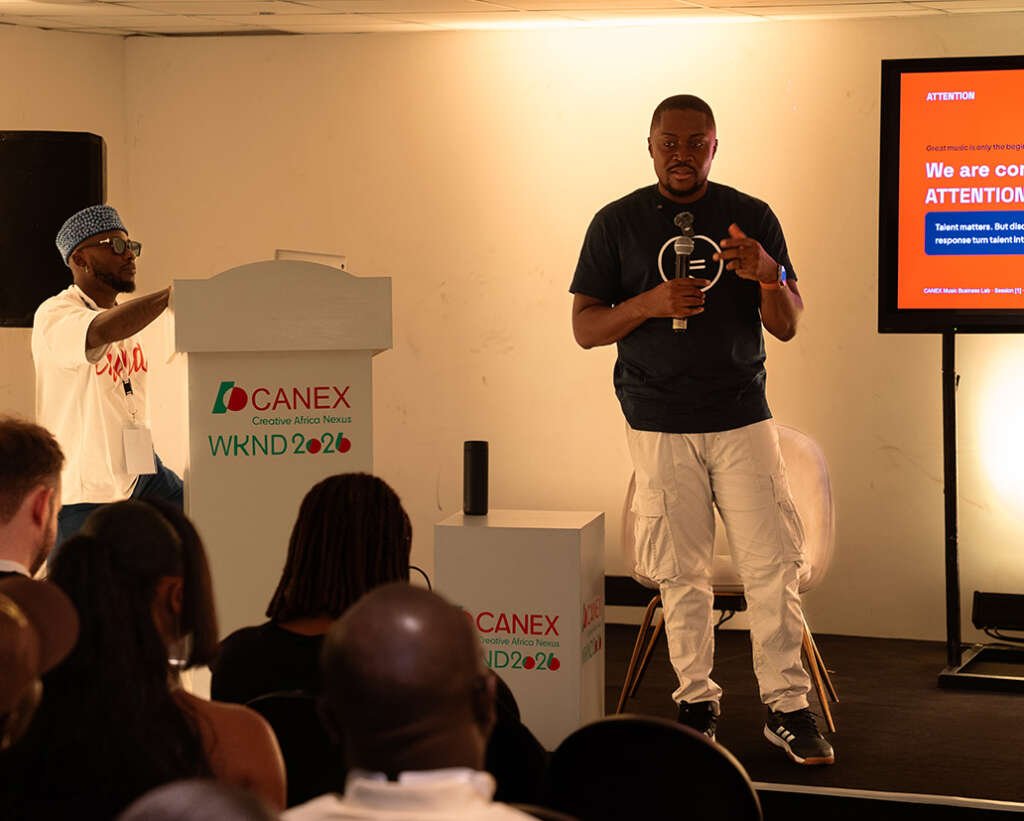
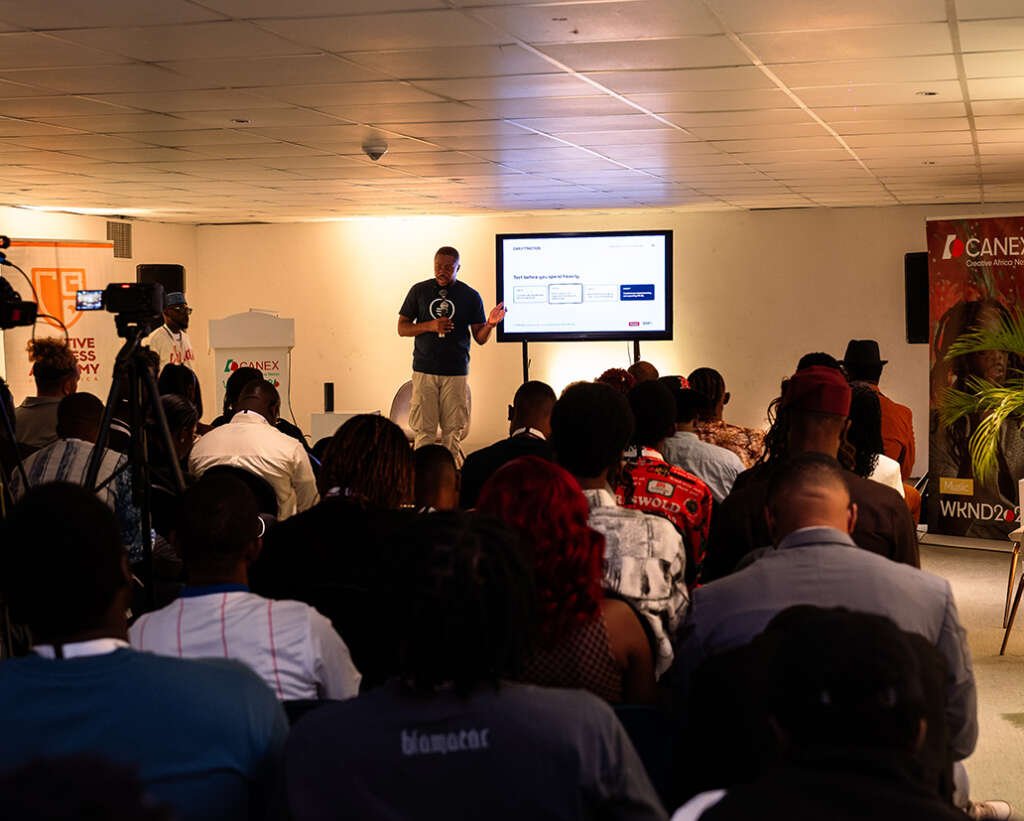
Delivering a masterclass titled Creation of Music as part of the CANEX Music Business Lab, Ugwu drew on nearly 25 years of industry experience to examine the decisions that shape an artist’s journey from the recording studio to the marketplace. Through the practical example of an emerging artist navigating the early stages of a career, he demonstrated how ownership, distribution, marketing and audience development influence the commercial prospects of a musical work.
A central focus of his presentation was the importance of understanding music rights from the outset. While the creation of a song may appear straightforward, its commercial exploitation involves different interests and agreements, particularly those governing master recordings, compositions, publishing and songwriting contributions. Establishing clarity around these rights is essential to protecting the interests of creators and ensuring that future commercial opportunities are not undermined by unresolved ownership questions.
Ugwu also explored the changing dynamics of music discovery and audience engagement. With digital platforms creating new pathways for artists to reach listeners, the challenge increasingly lies in converting that access into meaningful relationships and sustained commercial growth. His presentation examined how genuine fan communities, strategic partnerships and data-informed marketing can support an artist’s development beyond the initial momentum of a successful release.
Underpinning the session was the recognition that creative excellence and commercial success require different, though complementary, capabilities. For emerging artists, understanding the business of music is no longer something to consider only after achieving recognition. It is an essential part of building a career capable of sustaining that success.
Strengthening the Systems Behind Music Revenue
While developing successful artists and music businesses remains fundamental to industry growth, the ability to capture the revenue generated by music presents another significant challenge.
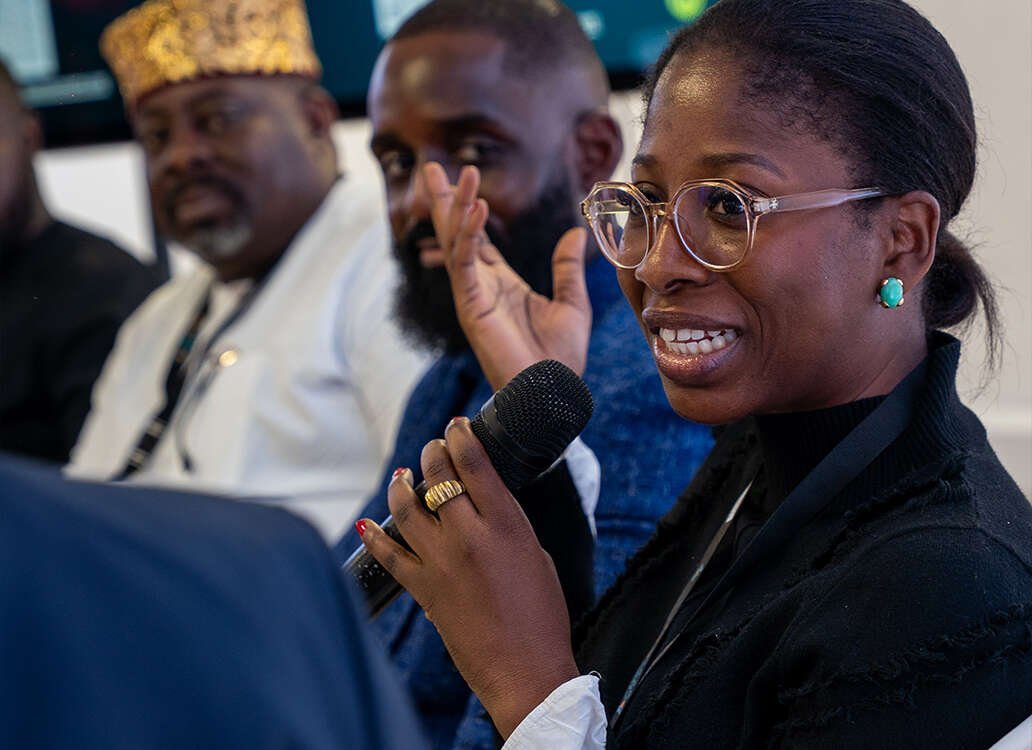
This formed an important part of the conversation at the Music Roundtable: Rights, Royalties and Revenue in African Music, where Ibukun “Aibee” Abidoye joined industry stakeholders to examine the effectiveness of Africa’s music rights and royalty administration systems.
The discussion addressed a growing concern within the industry: despite the increasing international consumption of African music, the mechanisms responsible for identifying, collecting and distributing its commercial returns have not always developed at the same pace. For record labels, artists and other rights holders, this creates a disconnect between the economic potential of their work and the revenue they can reliably capture.
Drawing from her experience leading Chocolate City Music, Abidoye highlighted the importance of improving the quality and integration of music data, particularly the information required to establish ownership, identify usage and support accurate royalty administration. Her contribution underscored the distinction between possessing music data and ensuring that the information is properly connected to the systems through which revenue is tracked and collected.
These are not merely technical considerations. In an increasingly interconnected music market, the effectiveness of rights administration has direct implications for commercial performance, investor confidence and the ability of music businesses to plan for sustainable growth. Inaccurate or fragmented information can complicate royalty collection, limit revenue visibility and weaken the industry’s capacity to benefit fully from the international demand for its content.
Addressing these challenges requires stronger coordination across the music ecosystem, including record labels, collection management organisations, distributors, technology providers and other industry stakeholders. More reliable data practices, effective collection processes and transparent reporting systems are essential to ensuring that the commercial benefits of African music’s expanding reach are more consistently realised.
The conversation reinforced an important distinction for the continent’s music industry: increasing the global consumption of African music is only one measure of progress. Equally important is developing the institutional capacity to ensure that the value generated can be properly accounted for, collected and distributed.
Turning African Intellectual Property into Commercial Opportunity
Beyond the creation of music and the collection of its revenues, the ability to retain control of intellectual property and deploy it strategically across markets represents another important dimension of Africa’s creative economy.
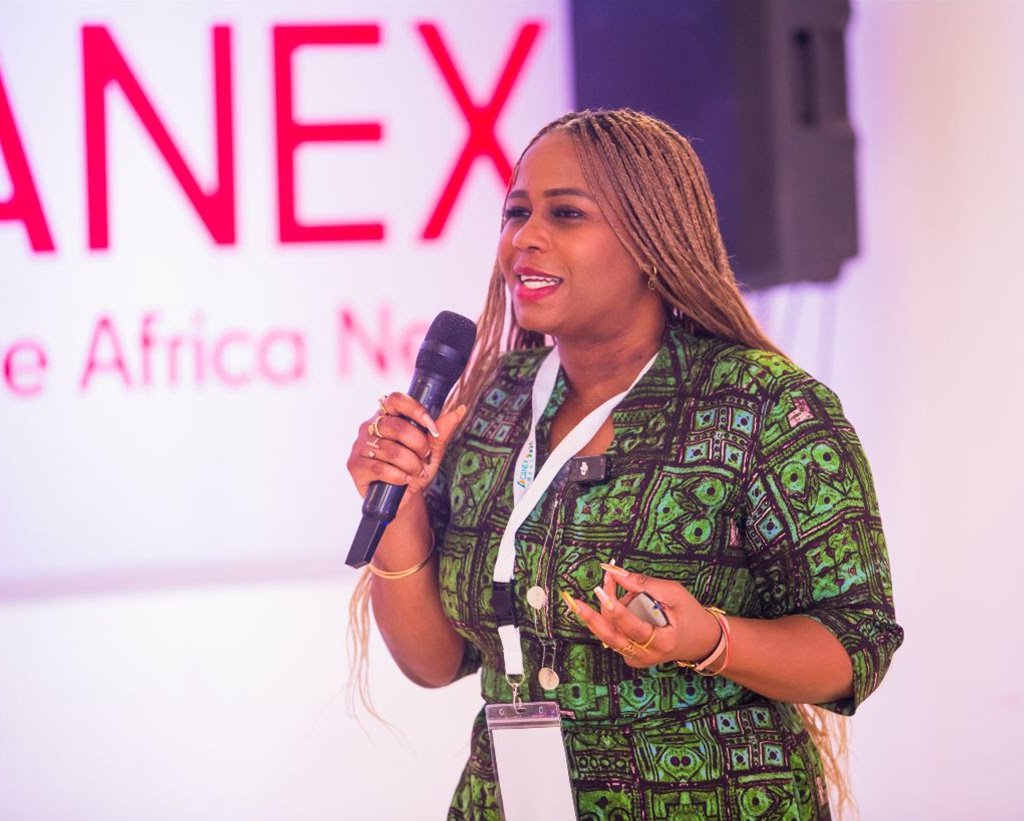
At the masterclass Protecting and Monetising African Creative IP Across Borders, Ifeyinwa Anyadiegwu joined legal professionals from G. Elias to explore how African creative businesses can approach intellectual property not only as something to protect, but as an asset capable of generating sustained commercial value.
Leading the session’s commercialisation segment, Anyadiegwu examined the opportunities available to creators and businesses through licensing, distribution, merchandising, brand collaborations, adaptations and other forms of commercial partnership. Her presentation demonstrated how a single creative asset can support multiple revenue streams when its ownership is clearly established and the rights attached to it are strategically managed.
Of particular importance was the structure of commercial agreements and their implications for future opportunities. Through practical scenarios involving entertainment distribution and international brand partnerships, she explored how provisions covering territory, exclusivity, duration and permitted usage can significantly influence the economic value of a transaction.
An agreement that appears commercially attractive in the immediate term may, depending on its conditions, restrict a creator’s ability to pursue subsequent opportunities in other territories, formats or markets. Understanding the scope of rights being granted, and ensuring that those rights correspond with the commercial objectives of the transaction, is therefore central to protecting long-term value.
Her contribution also highlighted the importance of approaching international expansion with a deliberate intellectual property strategy. As African creative products enter new markets, businesses must consider how their rights will be administered, which commercial partners are best positioned to support growth and how existing agreements may affect future opportunities.
For African creators and enterprises, this represents a shift from viewing intellectual property primarily as the output of creative activity to recognising its role in business development, revenue diversification and international competitiveness. The opportunity extends beyond securing individual transactions to building commercially resilient businesses around assets that can continue generating value across different markets and channels.
Building an Industry That Can Sustain Its Own Success
The discussions at CANEX WKND 2026 reflected a broader evolution in Africa’s creative economy. As the continent’s music and entertainment industries become increasingly integrated into global markets, the commercial sophistication of the businesses supporting them will be as important as the creative talent driving their growth.
The relationship between the three conversations is particularly significant. Music ownership and business development establish the foundation for commercial activity, effective royalty administration ensures that the value generated can be captured, while strategic intellectual property management creates opportunities to extend that value through new partnerships, products and markets. Weaknesses in any of these areas can affect the industry’s ability to achieve its wider economic potential.
For Chocolate City Group, these priorities are consistent with a business philosophy developed through more than two decades of participation in Africa’s entertainment industry. From its foundations in music and talent development, the Group has expanded its activities across distribution, marketing and creative investment, reflecting a broader commitment to developing the capabilities and commercial opportunities that support the creative economy.
This experience also informs the Group’s growing focus on creative industry infrastructure, partnerships and ecosystem development. As opportunities emerge across music, film, education and other creative sectors, the need for businesses capable of connecting talent with investment, markets and sustainable revenue models becomes increasingly important.
Chocolate City’s participation at CANEX WKND 2026 therefore extended beyond sharing industry expertise. It reflected the importance of sustained engagement among creative businesses, policymakers, investors and industry institutions in addressing the structural questions that will shape the sector’s future.
Africa’s growing cultural influence has already demonstrated the international appeal of its creativity. The next phase of development will require equal attention to the business systems, commercial capabilities and institutions that determine how this influence translates into economic opportunity.
For the continent’s creative industries, long-term success will increasingly depend not only on what Africa creates and shares with the world, but also on the businesses it builds, the intellectual property it retains and the economic value it is able to sustain.
It is a future that speaks directly to Chocolate City Group’s mission: Building Africa’s Creative Economy, Redefining Global Culture.