

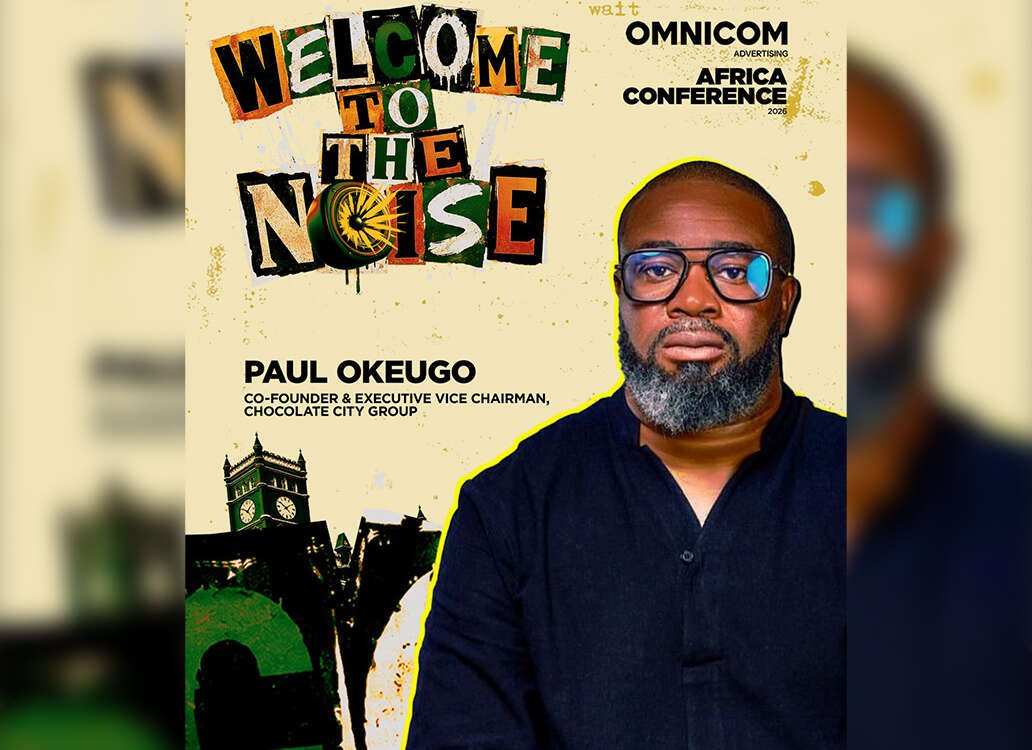
Chocolate City Group’s Co-founder and Executive Vice Chairman, Paul Okeugo, joined creative and business professionals at TBWA’s Welcome to the Noise event for a conversation on strengthening the commercial foundations of Africa’s creative industry.
African entertainment has experienced remarkable growth over the past two decades. Nigerian music is reaching audiences across continents, Nollywood continues to expand its international presence, and African creative talent is contributing significantly to global popular culture.
Alongside these achievements, questions surrounding the commercial development of the industry have become increasingly important, particularly in relation to intellectual property ownership, distribution, financing and access to markets.
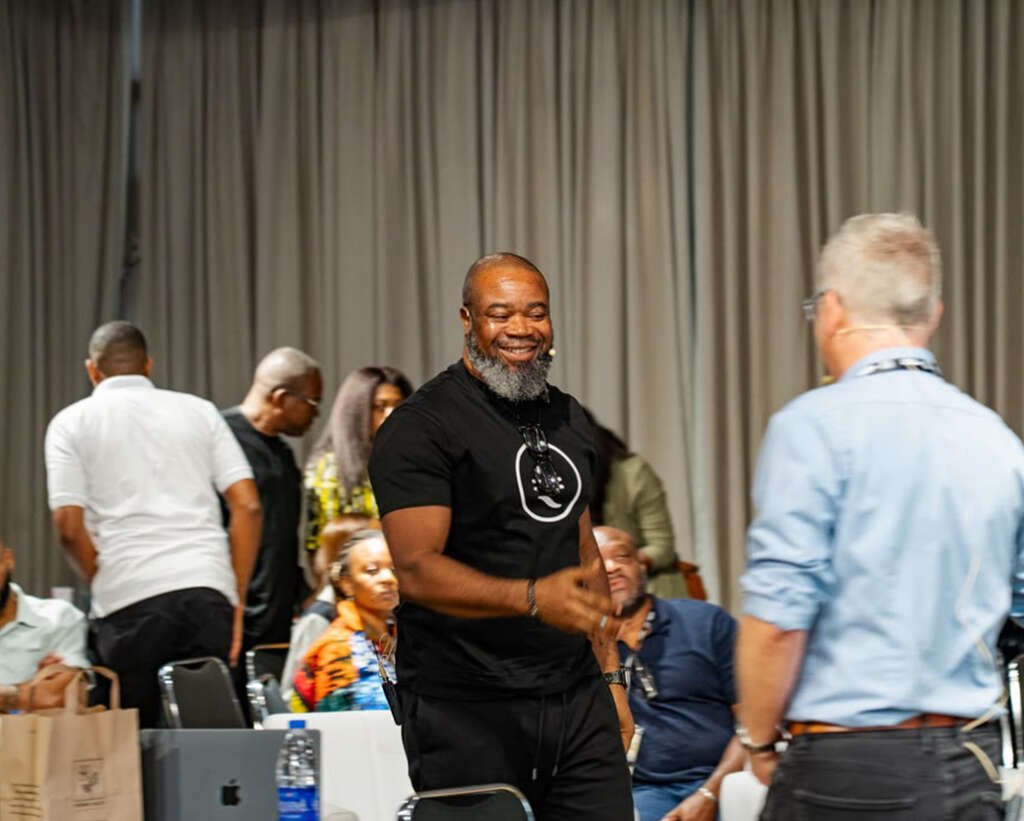
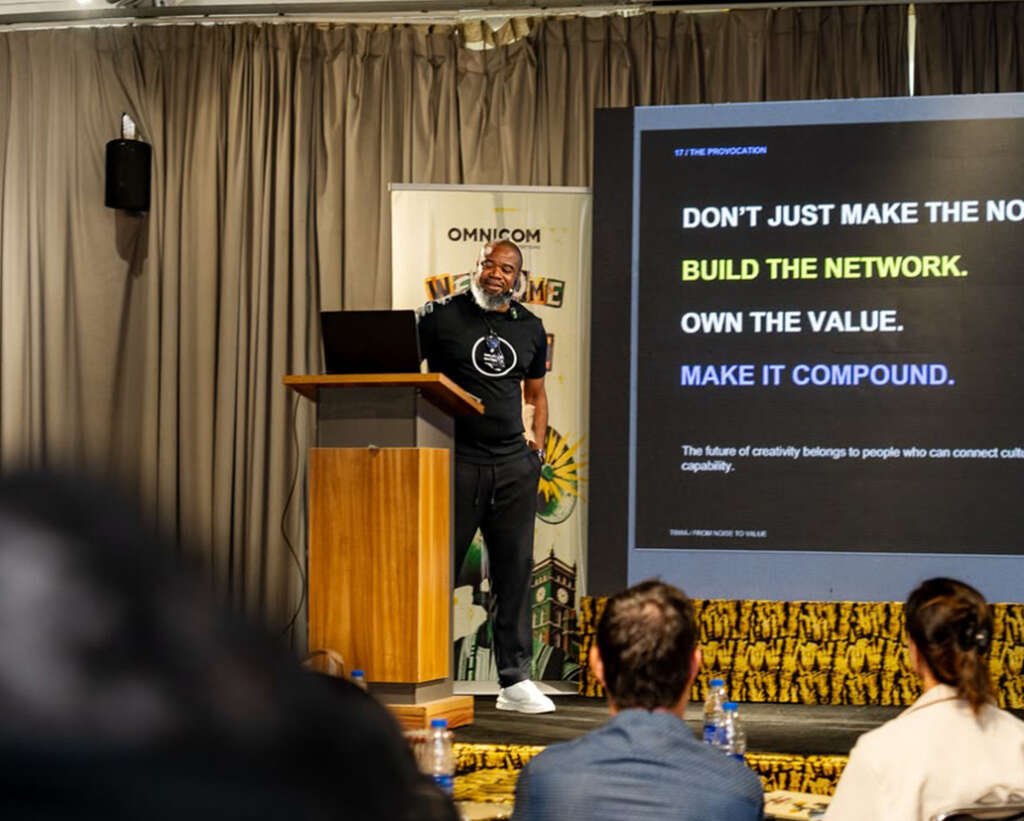
These issues formed the basis of Paul Okeugo’s presentation, “From Noise to Value: Building the Networks That Make Creativity More Valuable,” delivered at TBWA’s recent Welcome to the Noise event.
Drawing from his experience at Chocolate City Group, Okeugo explored how African creative businesses can strengthen their commercial foundations and develop partnerships that support sustainable industry growth.
Understanding the Value Behind Creativity
A central discussion in the presentation focused on the gap between Africa’s growing cultural influence and the economic returns generated within its creative industries.
Although digital platforms and international distribution have expanded opportunities for African content, the systems required to maximise commercial returns remain unevenly developed across markets.
Using the recorded music industry as an example, Okeugo examined differences in market revenue, distribution infrastructure and access to commercial opportunities.
He also considered some of the structural challenges facing creative enterprises, including limited access to capital, intellectual property management, production infrastructure and established routes to market.
Addressing these challenges requires coordinated investment across the wider creative economy, particularly as international demand for African entertainment continues to grow.
Why Creativity Depends on Strong Business Networks
Another important aspect of the presentation explored the relationship between creative talent and the business networks supporting it.
The development of a successful artist, film, entertainment property or creative venture often involves contributions from professionals working across strategy, finance, distribution, technology, marketing, legal services and operations.
These relationships influence how creative products are developed, positioned, distributed and monetised.
Okeugo highlighted the importance of integrating these capabilities into the creative process, particularly for businesses seeking to expand beyond their original markets.
The presentation introduced a creative value chain organised around four activities: Create, Connect, Capture and Compound.
This approach considers how creative ideas are developed, connected to audiences, converted into commercial opportunities and subsequently expanded through new products, partnerships and markets.
It also places greater emphasis on ownership and long-term value retention, two considerations that remain important to the growth of sustainable creative enterprises.
Exploring New Commercial Models for Agencies
The discussion extended to the role of marketing and communications agencies within the creative economy.
Agencies have traditionally supported entertainment businesses through campaign development, brand partnerships, publicity and audience engagement.
Okeugo explored opportunities for these relationships to develop into more integrated commercial partnerships.
For instance, agencies could become involved earlier in developing creative properties, helping to structure brand relationships, build audiences and identify additional revenue opportunities.
Other possibilities include co-developing entertainment platforms, supporting the commercialisation of intellectual property and participating in ventures where commercial returns are shared among contributing partners.
Such arrangements would require clearly defined ownership structures, aligned commercial interests and a long-term approach to collaboration.
For agencies and creative businesses alike, these models offer opportunities to develop more substantial and enduring commercial relationships.
Chocolate City’s Approach to Creative Economy Development
The presentation also provided an opportunity to highlight Chocolate City Group’s involvement in initiatives addressing broader challenges within Africa’s creative industries.
Through Founders Fund Africa, the Group is supporting the development of early-stage creative businesses, with a focus on entrepreneurship, business validation and access to growth opportunities.
Its involvement in the NFI Lagos project, in collaboration with Netflix, is directed towards expanding access to professional production and post-production facilities, alongside training and development opportunities for emerging creative professionals.
The Group’s proposed Circuit Events and Talent Hubs (CETH) initiative also reflects its interest in expanding creative infrastructure across Nigeria. The initiative envisages an interconnected network of facilities supporting live entertainment, creative production, training and talent development.
Together, these projects demonstrate how Chocolate City is extending its activities into areas that support the development of the wider creative economy.
They also reflect the strategic importance of partnerships between the private sector, investors, industry professionals and other stakeholders in addressing longstanding infrastructure and market-access challenges.
Strengthening Africa’s Creative Economy
As African entertainment continues to attract international attention, the commercial sustainability of the industry will depend on investment in the businesses, infrastructure and professional capabilities that support creative production.
Improved access to capital, stronger intellectual property management, better distribution systems and more developed commercial partnerships can contribute to creating an industry in which creative success generates wider economic benefits.
At Welcome to the Noise, Paul Okeugo’s presentation offered a practical perspective on these priorities, encouraging closer collaboration between the creative and business communities.
For Chocolate City Group, the discussion was also an opportunity to share the thinking behind its continued involvement in creative entrepreneurship, production infrastructure and ecosystem development.
Building a more commercially resilient creative industry remains an important part of ensuring that Africa’s cultural influence translates into sustainable opportunities for its creators, businesses and communities.