

African creativity is everywhere.
Our music crosses borders. Our films find new audiences. Our stories shape culture far beyond the continent. But for all that influence, an important question remains: how much of the value being created is actually owned by African creators?
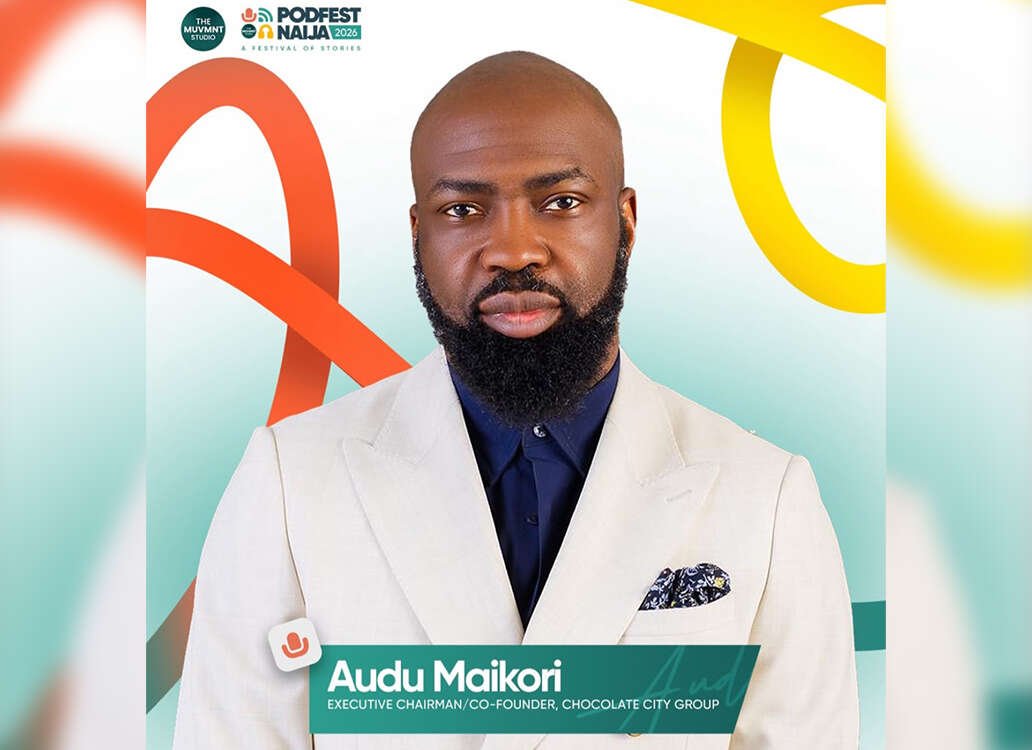
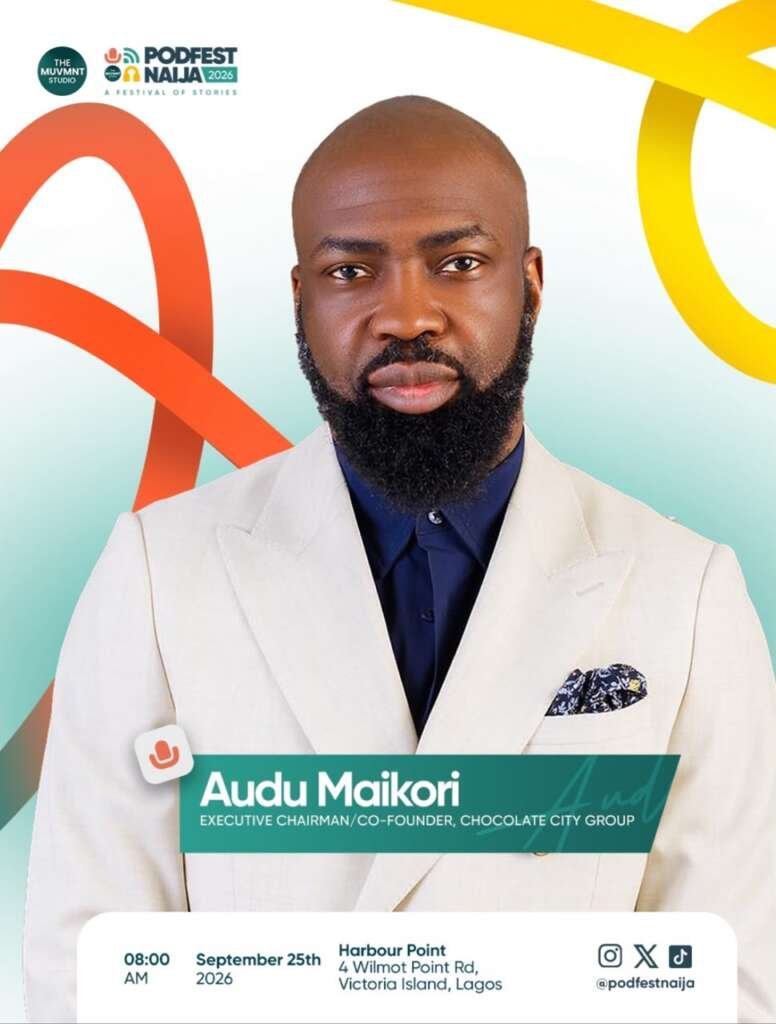
That question sat at the heart of Audu Maikori’s conversation at PodFest Naija 2026, where he joined the panel “The Creative Economy: From Informal Influence to Formal Ownership.”
Speaking virtually, Audu drew attention to a part of the creative business that often gets less attention than the work itself: rights, contracts, intellectual property and the structures that determine who benefits when creative work succeeds.
For many creators, the pressure is understandably on making the work, getting it heard and building an audience. But the decisions made around ownership can matter just as much as the creative output itself. A poorly understood contract or loosely defined rights agreement can continue to shape a creator’s earnings long after the excitement of the original opportunity has passed.
That is why the conversation around Africa’s creative economy can no longer stop at visibility.
The continent has proven that it can produce culture the world wants. The next challenge is making sure creators understand what they own, what they are giving away and how to build businesses that can hold on to more of the value they create.
Audu also brought the policy side of that conversation into focus. Having worked both within the creative business and around intellectual property reform, his perspective sits at the point where regulation meets reality.
For creative businesses, strong policy only matters if it works in practice. Intellectual property protection, enforcement and clearer commercial frameworks become increasingly important as African companies work across markets and enter more complex global partnerships.
Artificial intelligence adds another layer.
As AI changes how work is created, copied and distributed, questions around authorship and ownership are becoming harder to ignore. For African creators, the opportunity is not simply to adopt new tools, but to be part of the conversation about the rules that will shape how creative work is protected in the years ahead.
PodFest Naija brought together creators, storytellers, brands and policymakers to examine exactly these kinds of questions. For Chocolate City Group, the conversation is closely tied to a broader belief we have held for years.
Africa does not have a creativity problem.
The opportunity now is to build stronger systems around that creativity, so that cultural influence translates into durable economic value for the people creating it.
Influence gets attention.
Ownership creates longevity.