
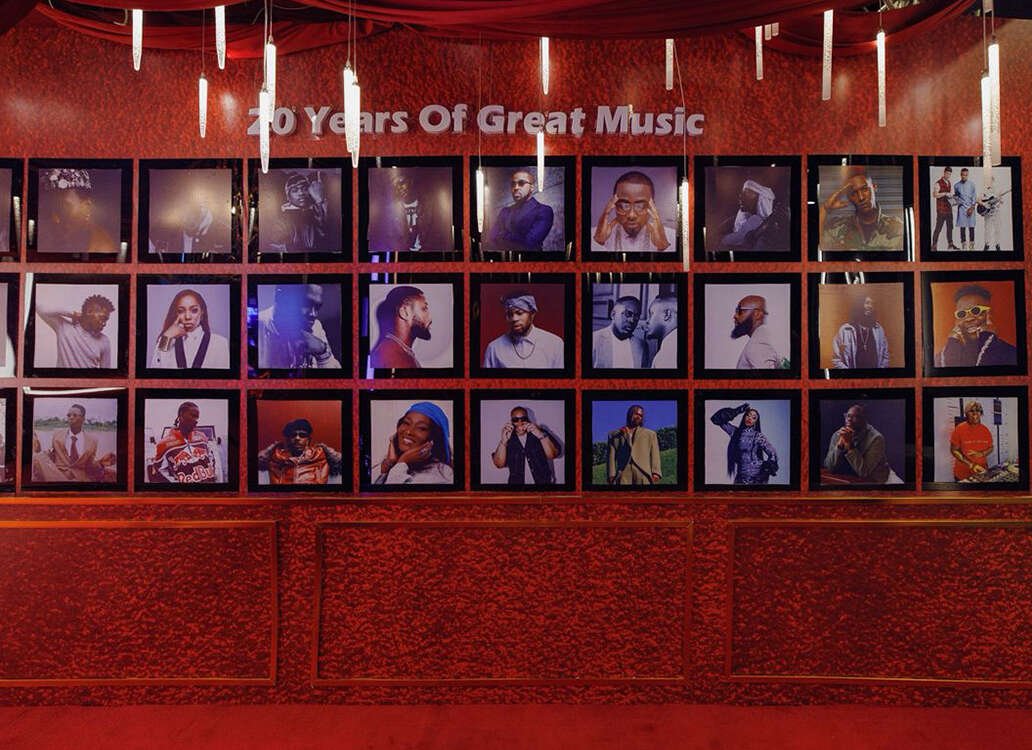
Twenty years. Two decades of beats, dreams, and movements that started in Jos and rippled across continents. As we step into 2026, looking back at 2025 feels less like nostalgia and more like witnessing a promise kept—to ourselves, to the music, and to everyone who believed that our sound could shake the world.
This wasn’t just another year. This was the year we celebrated who we’ve been, who we are, and who we’re becoming.
When Legacy Became a Living Thing
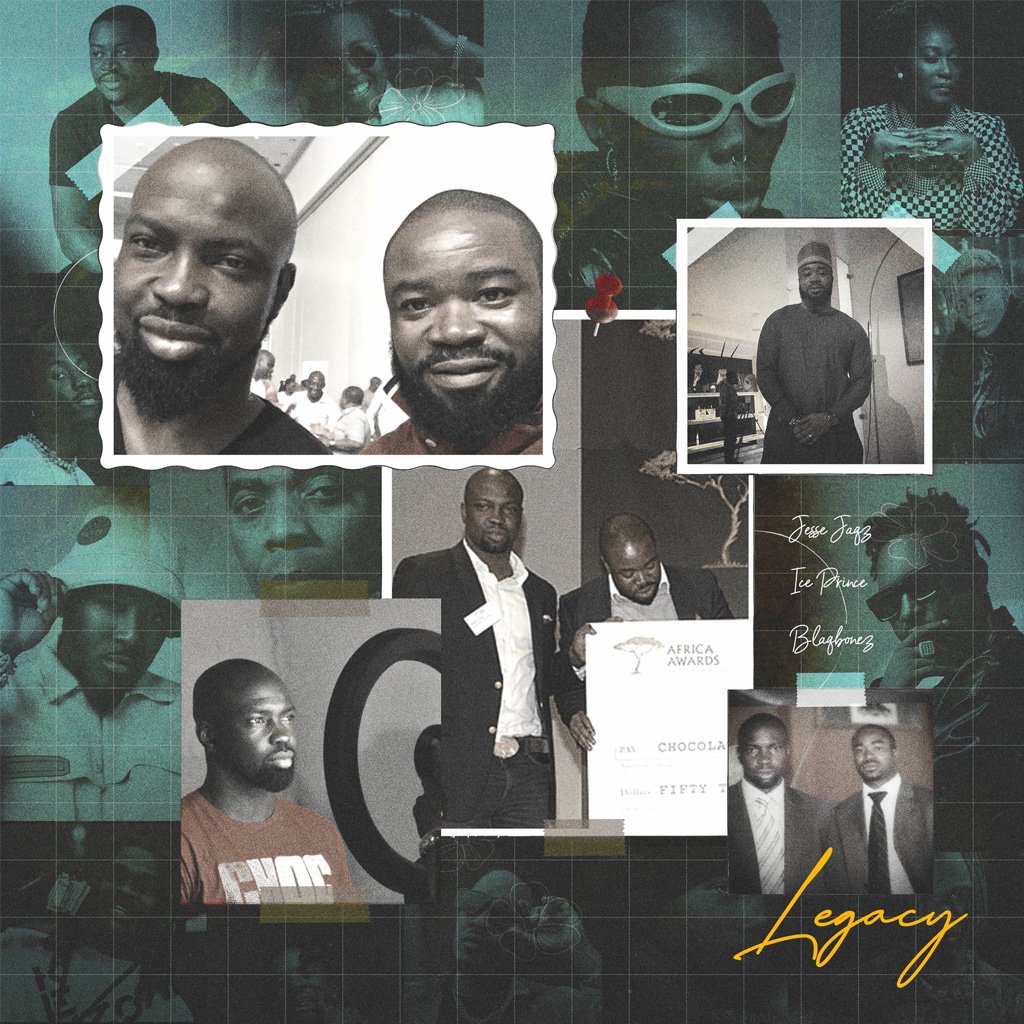
There’s something profound about reaching twenty years in an industry that moves at the speed of a trending sound. In August, when Jesse Jagz, Ice Prince, and Blaqbonez came together for “Legacy,” it wasn’t just a song—it was three generations standing on the same stage, passing the torch while keeping it burning together. That’s the Chocolate City way: we don’t retire legends, we build alongside them.
The celebration stretched across months. Our founders, Audu Maikori and Paul Okeugo, both turned fifty this year—golden birthdays for golden visionaries who dared to imagine that Nigerian music could be a global force before the world was ready to listen. The parties were grand, the speeches were moving, but what struck deepest was the quiet realization that their vision twenty years ago is now our reality.
The Sound of Unstoppable
Our artists didn’t just release music in 2025—they created moments that became memories.
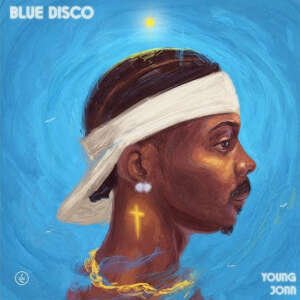
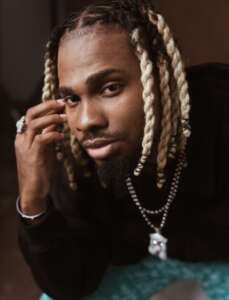
Young Jonn had a year for the books. His collaboration with Asake on “CHE CHE” in June became an instant stress-free anthem that soundtracked summer across the continent. His link-up with Wizkid on “Cash Flow” showed the world what we already knew: Young Jonn belongs in any room, on any track, with anyone. Then he closed the year with “Blue Disco,” an album that proved why he’s one of the most exciting voices in Nigerian music right now. The viral hits kept coming, one after another, and he celebrated it all with two massive concerts in Abuja and Lagos that had fans singing every word back to him.
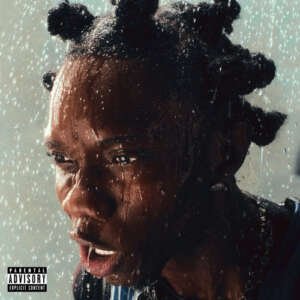
Blaqbonez continued to prove why consistency matters. “Everlasting Taker” set the tone, reminding everyone that he’s here for the long run. His fourth studio album “No Excuses” gave us “ACL,” a track that keeps breaking new records and landed him at number 25 on Rolling Stone’s “The 45 Best Afropop Songs of 2025.” The album listening party brought the whole creative community together, and his partnership with GinjaBet showed how an artist can expand influence beyond music. Blaqbonez understands something important: the music opens doors, but the vision keeps them open.





Fashion, Film, and the Future
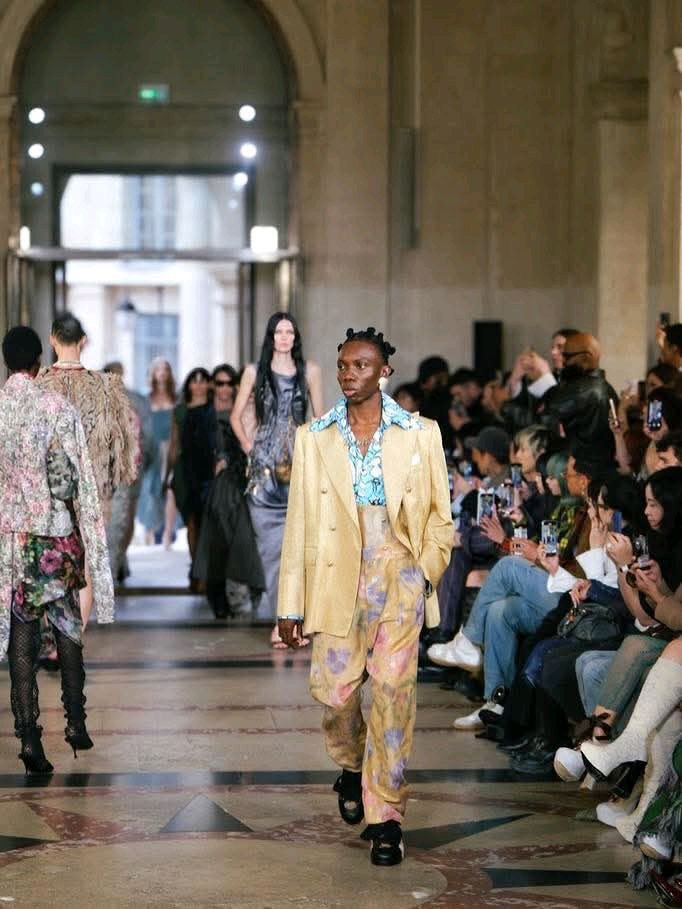
Blaqbonez and Young Jonn went to Paris Fashion Week and reminded everyone that Nigerian artists belong on global stages, at global events, in global conversations. From Louis Vuitton to Amiri, they moved through Paris with the kind of confidence that comes from knowing your culture is just as valid as anyone else’s. Style is storytelling, and our artists have stories worth telling.
But perhaps the most forward-thinking move came in our partnership with the Nigerian Government to transform the National Film Institute into a world-class film academy. We’re not just making music history; we’re building the infrastructure for two million creative jobs.
The city where Chocolate City was born will now birth the next generation of Nigerian creatives, as a world-class creative hub is set to launch in Jos in 2026, closing critical technical gaps in Nigeria’s creative industries.
The Rooms Where Decisions Are Made
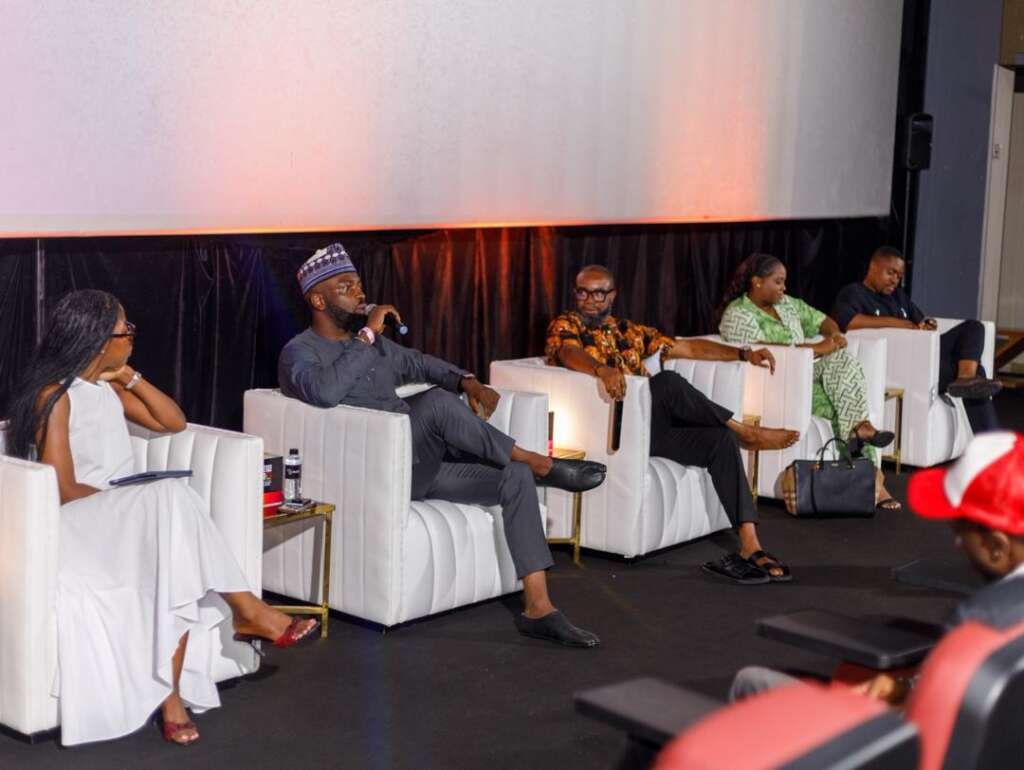
Leadership isn’t just about running a company. It’s about showing up where the future is being shaped and making sure the creative economy gets the attention, respect, and infrastructure it deserves. Our executives spent 2025 doing exactly that.
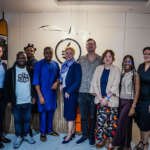
At Entertainment Week Africa 2025, the full Chocolate City leadership—Audu Maikori, Paul Okeugo, Abuchi Peter Ugwu, Aibee Abidoye, and Ifeyinwa Anyadiegwu—sat down for a fireside session titled “Blueprint of a Powerhouse: Lessons in Building an African Music Empire.” They didn’t just talk about where we’ve been. They mapped out where the industry needs to go: better rights management, smarter revenue diversification, holistic artist development that goes beyond just making hits. As Abuchi put it: “Hits are great, but longevity requires structure. Artists must stand for something and build lasting connections with their audiences.”
The session revealed what we’ve been building behind the scenes: heavy investment in technology, AI, and data-driven systems that will change how we discover talent, reach audiences, and run operations. And then came the announcement that made the room sit up: the Founders Fund goes live in 2026, offering emerging entrepreneurs across music, fashion, design, and entertainment real access to training, mentorship, and financial support.
Abuchi Peter Ugwu’s appearance at the Lagos Economic Outlook 2026 Roundtable in December also crystallized what Chocolate City has always understood: infrastructure isn’t optional anymore. Speaking before economists, policymakers, academics, and industry leaders at the Protea Hotel in Ikeja, Abuchi laid out a vision for Lagos that matches its reality as Nigeria’s commercial center and the continent’s creative capital.
He thanked the Lagos State Government for supporting the growth of the creative sector across music, film, fashion, nightlife, and digital content. Then he challenged them to think bigger. With more than 12 million people under 30 in Lagos alone, with Nigerian youth driving over 80 percent of Africa’s viral content across TikTok, Instagram, and YouTube, with entertainment and nightlife contributing an estimated $2.9 billion to Lagos’s informal GDP, the city needs to build at scale.
“Lagos has given the creative sector a home,” Abuchi said. “Now we need to expand that home. Our young people have the ideas, the audience, and global attention. What they need is infrastructure, safety, and predictable systems to thrive.”
He called for modern performance venues, mid-size arenas, production studios, film-friendly districts, multi-purpose creative hubs, streamlined permits, and stronger night-time safety systems. He pointed out that many Nigerian creators still travel abroad to shoot content, not because Lagos lacks culture or visual appeal, but because local processes remain slow or difficult to access. Drawing from his work at Bean Creative IMC, he explained how gaps in infrastructure increase production costs and slow down creative output.
His closing line stayed with everyone in that room: “Lagos is a youth city. If we give young people safe spaces, efficient systems, and real creative infrastructure, this economy will move from potential to performance in 2026.”
This is the kind of leadership that builds industries, not just companies.
Abuchi also spoke at the Private Sector Health Alliance’s “Creative Catalyst” conference, making a compelling case for music as a tool for health reform—a vision born from personal loss and professional conviction. At Martech 2.0, he championed embracing individuality and inspired the next generation of creatives. At the 2025 Headies Creative Summit in April, he delivered a masterclass on “The Business of Afrobeats,” articulating how the genre has transformed from a local phenomenon into a global powerhouse that now requires sophisticated business infrastructure. “Our artists are global ambassadors,” he said. “But to sustain this momentum, we must build the business infrastructure that protects their creativity and amplifies their reach.” He emphasized that behind every viral hit lies a complex ecosystem: robust royalty-collection frameworks, strategic sync licensing, and carefully negotiated brand collaborations. His closing statement captured the vision perfectly: “Afrobeats has the soul of our communities and the scale of a global industry. Our next step is to cement the legal, financial, and technological foundations that will let this music—and the people behind it—flourish for generations.”
Ifeyinwa Anyadiegwu broke down the strategy behind building icons at the Blanche Aigle Summit, showing how data, culture, and intentional design create lasting artist careers. At the IP National Convention 2025, she emphasized the urgent need for frameworks that protect artistic value as innovation outpaces regulation. Her promotion to Vice President & Head of Business & Legal Affairs felt inevitable because excellence always finds its level.
Audu Maikori co-chaired sessions at both Moonshot 2025 and the National Economic Summit Group, pushing for stronger IP systems and investment readiness in music and motion pictures. He’s not just building a company; he’s architecting an industry.
Paul Okeugo brought his perspective on the intersection of music and film to two critical platforms. At the AFRIFF Film and Content Market in November, he participated in “Cinematic Harmonies: Exploring the Synergies Between Music and Film for a Profitable Future,” speaking on how music drives emotion and storytelling in cinema, and how structured partnerships between labels, artists, and filmmakers can create new revenue models through soundtracks, licensing, and sync deals. He emphasized that “Music gives film its emotional pulse. When both industries work together intentionally, we don’t just tell stories, we export culture.” He also served as a mentor at the ACET AI and Digital Music Economy Hackathon, guiding teams working to unlock the “missing data frontier” in Nigeria’s music industry by using artificial intelligence to capture streaming revenues, royalties, and employment data that traditional methods miss.
Bean Creative IMC: Where Culture Meets Commerce
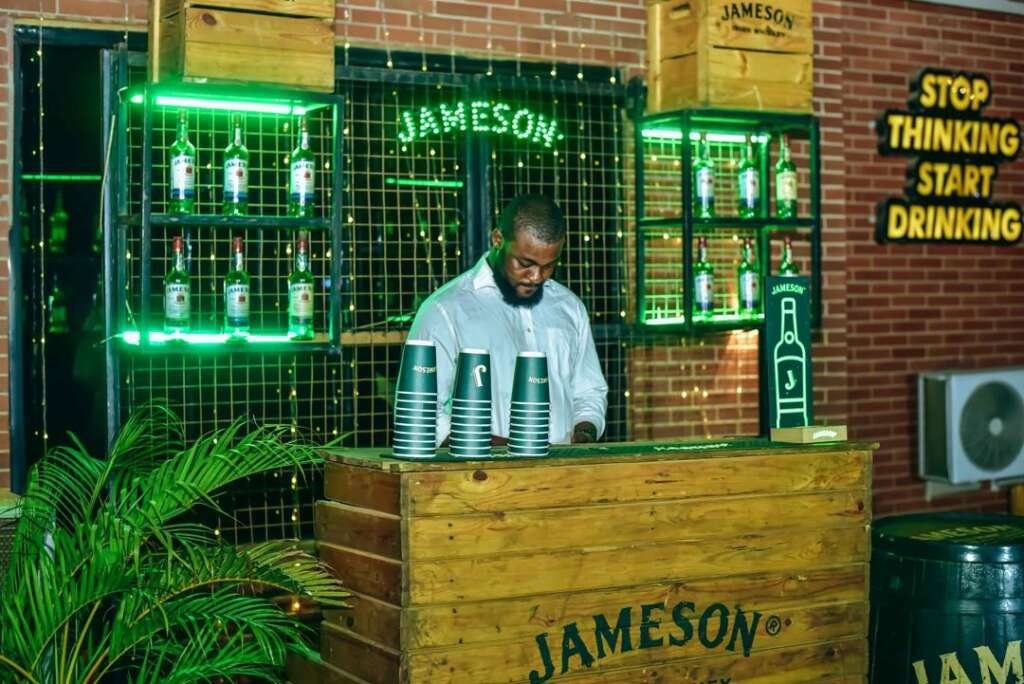
While Chocolate City Music shapes sounds, Bean Creative IMC shapes experiences. As the integrated marketing communications arm of our group, Bean Creative spent 2025 proving that the best brand partnerships don’t feel like marketing—they feel like culture.
The Martell activations set the tone early. The Martell Tower Experience in January combined elegance with strategic precision, and the exclusive Martell listening party for Davido in April showed how luxury brands can authentically engage with Nigerian audiences when the strategy is rooted in understanding the culture.
Jameson became synonymous with unforgettable moments throughout the year. From the electrifying Lagos takeover to the Enugu city experience, from team bonding sessions that brought our people closer to the 12 Days of Christmas campaign that closed the year with festive energy, Bean Creative proved that consistency builds loyalty.
The Nigerian Breweries partnerships came alive in Bean Creative’s hands. From Heineken to Goldberg, we positioned the right offerings with the right audience. The Tiger Beer Uncaged parties brought raw energy to every space they touched. Tiger Street Football connected the brand with grassroots passion. The Tiger Uncaged Xperience in Enugu closed out the year with the kind of high-octane celebration people will talk about for months. The Life Lager Beer activation at the Afiaolu Nnewi Festival honored culture in its most authentic form.
Heineken’s UCL Final watch party, powered by top influencers activated by Bean Creative, turned a football match into a cultural event. The Heineken Lagos Fashion Week showcased Bean Creative’s ability to operate across verticals: sports, fashion, entertainment, lifestyle. The Chivas x Arsenal watch parties, featuring talents like MI Abaga, proved that when premium spirits meet passionate fandom, beautiful things happen.
But Bean Creative does more than activations. They amplify voices and tell stories. “Life Behind Fame,” the talk show hosted by Jay Paul, gave us raw conversations with stars like Majeed and Queen Mercy Atang that peeled back the layers of celebrity to reveal the human underneath. The “My Dad, My Hero” challenge honored fathers with the kind of authenticity that creates real connection. The “What Do You Think December Owes You?” campaign captured Detty December energy in a way that felt participatory, not transactional. The Secret Valentine gift exchange reminded us that joy doesn’t always need a big budget—sometimes it just needs thoughtfulness.
Working across talent management, digital marketing, public relations, and reputation management, Bean Creative IMC has its finger on the pulse of what creators need and what audiences respond to. This insight shapes how we approach everything from campaign strategy to content creation, proving that when you understand culture deeply, you can create work that feels effortless.
Building Bridges
When a high-level delegation from Saint Lucia visited our Lagos headquarters in October, it confirmed something we’ve known for a while: Chocolate City’s influence extends beyond entertainment. We’re building bridges between continents, cultures, and creative economies. The conversations around music exchange and talent development opened possibilities that we’ll be exploring throughout 2026.
We returned to Jos not as visitors but as investors in the city’s creative renaissance. Production hubs, media infrastructure, training programs—we’re building the kind of ecosystem that will make our birthplace Nigeria’s new creative capital.
At the SMC Music Conference, we explored AI’s impact on creative growth. At every town hall, we reminded ourselves that our greatest asset isn’t our roster—it’s our people.
The Moments Between Moments
Some of the best memories weren’t on stage. They were in the fire drill that turned into actual survival training, complete with hands-on fire extinguisher practice. In the town halls where jollof rice and honest conversation created real connection.
The influencer spotlights on voices like Noon Dave showed our commitment to amplifying emerging talent. Noon also brought his signature energy to the “Thick & Thin” show hosted by Oscar Franklin, proving that when you invest in people, they shine.
The First Klaz “Déjàvu” experience at Jameson Yard blended Northern heritage with urban style in ways that felt both nostalgic and futuristic. These moments, big and small, are the threads in a larger story: a company that started with a dream in a university town and grew into a movement reshaping what Nigerian entertainment means to the world.
This Is What Twenty Looks Like
2025 was proof that legacy isn’t something you build and walk away from—it’s something you tend to, expand, and pass forward. From strategic launches to cultural celebrations, from empowering voices to dominating global stages, from policy rooms to fashion weeks, from Lagos to London to Paris to Jos, we showed up fully, authentically, consistently.
We’re not just part of the industry. We’re shaping it. Building it. Pushing it forward.
We are the architects of Nigeria’s creative future, and we’re building in real time.
To every artist who poured their soul into a verse, every executive who showed up to panels and boardrooms, every team member who made magic happen behind the scenes, every partner who believed in the vision, and every fan who streamed, danced, and shared the culture—thank you. You are the reason twenty years feels like just the beginning.
Here’s to 2026: more legacy, more innovation, more sounds that shake continents, more moments that become movements.
The best is still ahead, and we’re walking into it together.
Happy New Year from the Chocolate City family.